Mastering the art of home cooking is more than just following a recipe; it is about understanding the harmony of flavors, the science of heat, and the joy of creating something from scratch. Whether you are a beginner or looking to refine your culinary skills, this guide will provide you with the essential pillars to elevate your kitchen game.
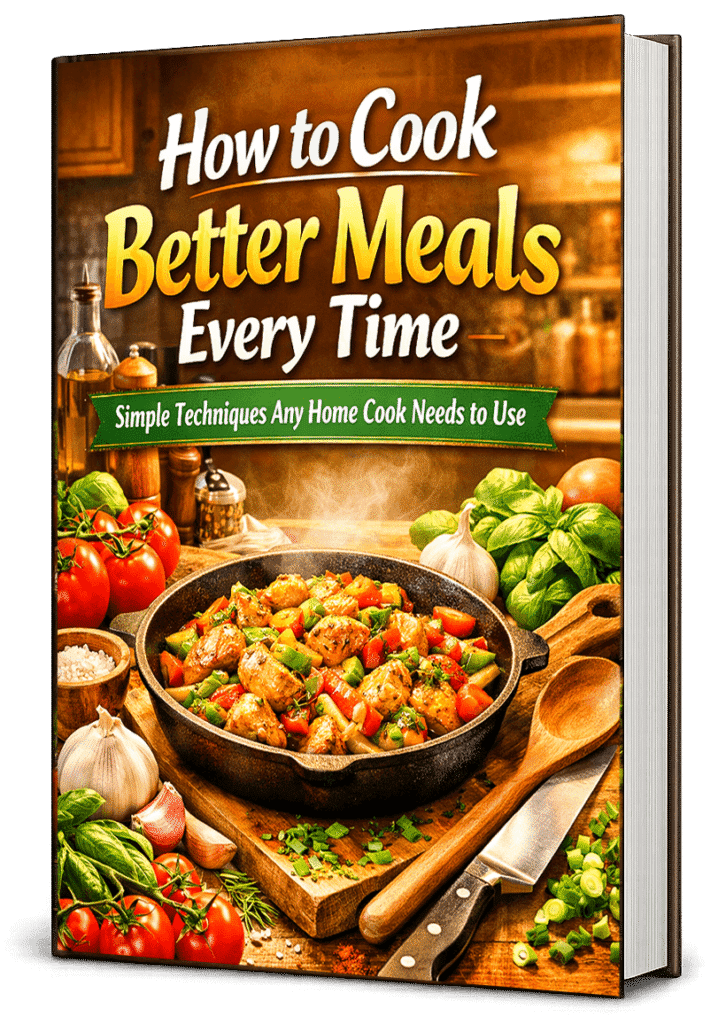
1. Invest in High-Quality Essential Tools
You don’t need a kitchen full of gadgets to cook like a pro. However, having a few high-quality basics makes a world of difference:
- A Sharp Chef’s Knife: This is your most important tool. A sharp blade is safer and more efficient for precise chopping and slicing.
- Cast Iron & Stainless Steel Pans: These provide superior heat retention and even cooking compared to thin non-stick pans.
- Digital Thermometer: Stop guessing if your meat is done. Accuracy is the secret to juicy, perfectly cooked proteins.
2. Master the Fundamentals: Salt, Fat, Acid, and Heat
Understanding these four elements will allow you to cook without a recipe:
- Salt: Enhances flavor. Learn when to salt (early for proteins, late for sauces) to bring out the best in your ingredients.
- Fat: Delivers flavor and creates texture. Choosing between butter, olive oil, or avocado oil depends on the dish’s flavor profile and cooking temperature.
- Acid: Brightens a dish. If a meal tastes “flat,” a squeeze of lemon or a splash of vinegar often provides the necessary balance.
- Heat: Managing temperature prevents burning and ensures even cooking. Learn the difference between searing, simmering, and poaching.
3. The Power of “Mise en Place”
Professional chefs swear by Mise en Place (French for “everything in its place”). Before you turn on the stove:
- Read the entire recipe.
- Chop all vegetables and measure all spices.
- Organize your workspace. This prevents stress and ensures you don’t burn one ingredient while searching for another.
4. Source Fresh, Seasonal Ingredients
The best-tasting food starts with the best-tasting ingredients. Whenever possible, shop at local farmers’ markets. Seasonal produce is more nutrient-dense and flavorful than items that have been shipped across the globe.
5. Taste as You Go
One of the biggest mistakes home cooks make is waiting until the food is on the table to taste it. Taste your sauces, soups, and batters at various stages. This allows you to adjust the seasoning and ensure the final result is exactly how you envisioned it.
6. Practice Patience and Persistence
Mastery doesn’t happen overnight. Some of the best lessons come from “failed” dishes. If a sauce breaks or a cake sinks, analyze why it happened. Cooking is a journey of continuous learning and experimentation.
Conclusion: Your Kitchen, Your Rules
Cooking at home is an empowering skill that improves your health, saves money, and brings people together. By focusing on quality tools, fundamental techniques, and fresh ingredients, you will transform from someone who “follows recipes” into a confident home chef.